Gorenje
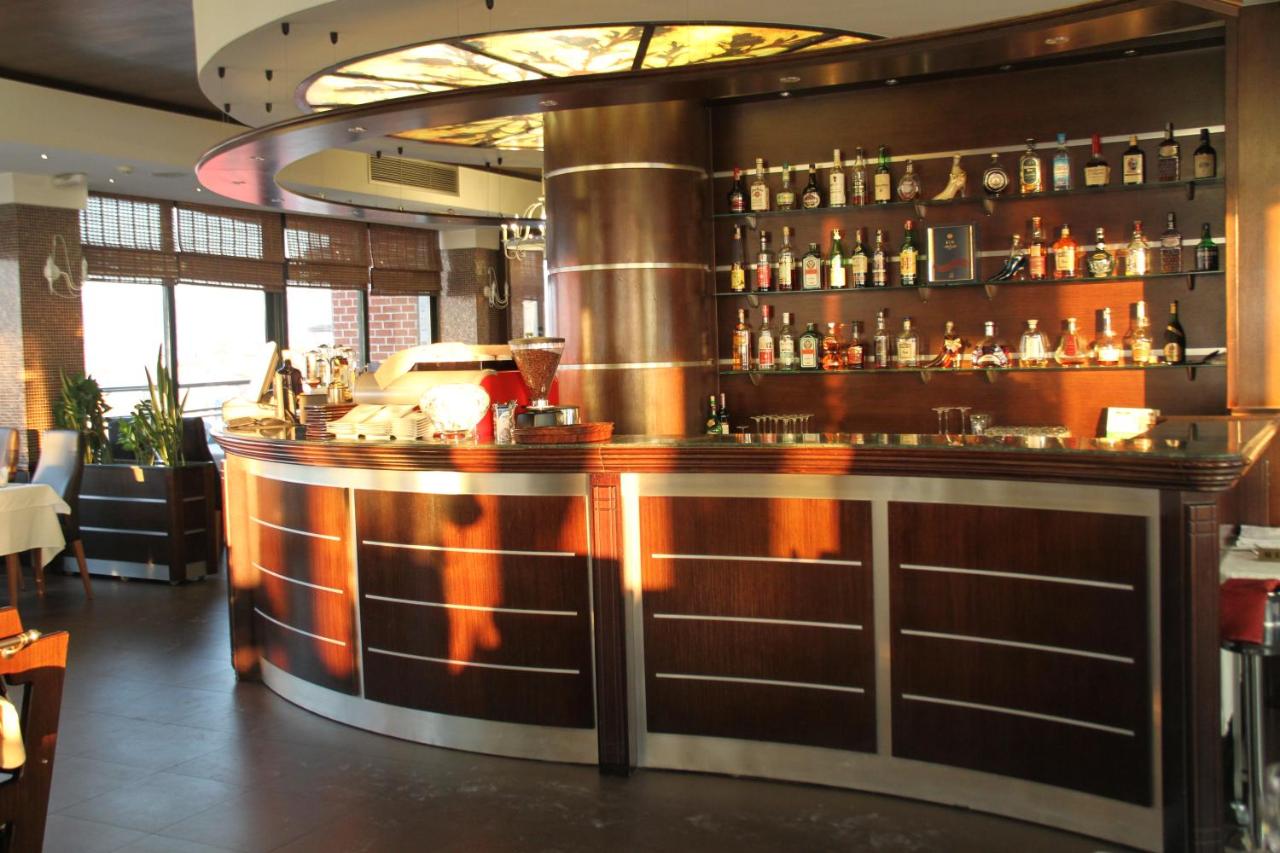

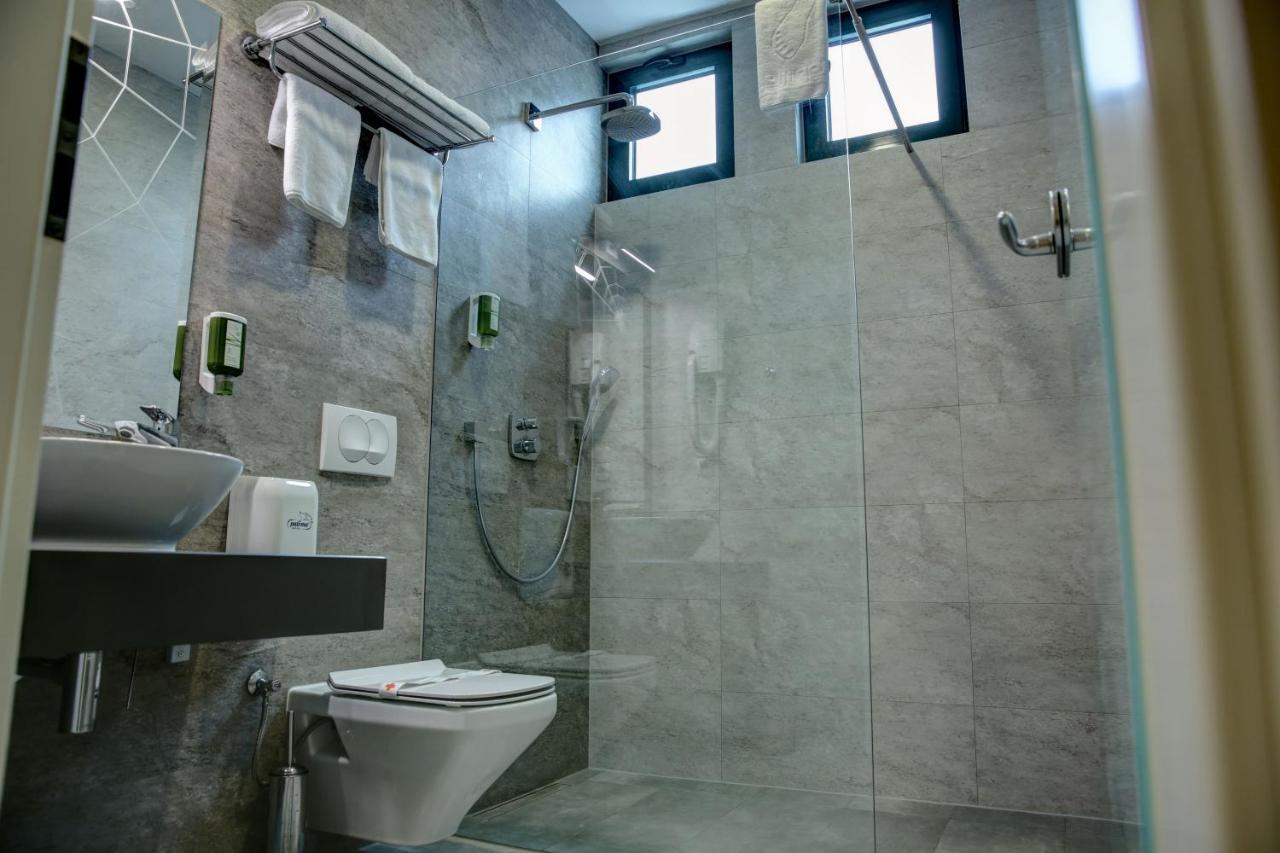
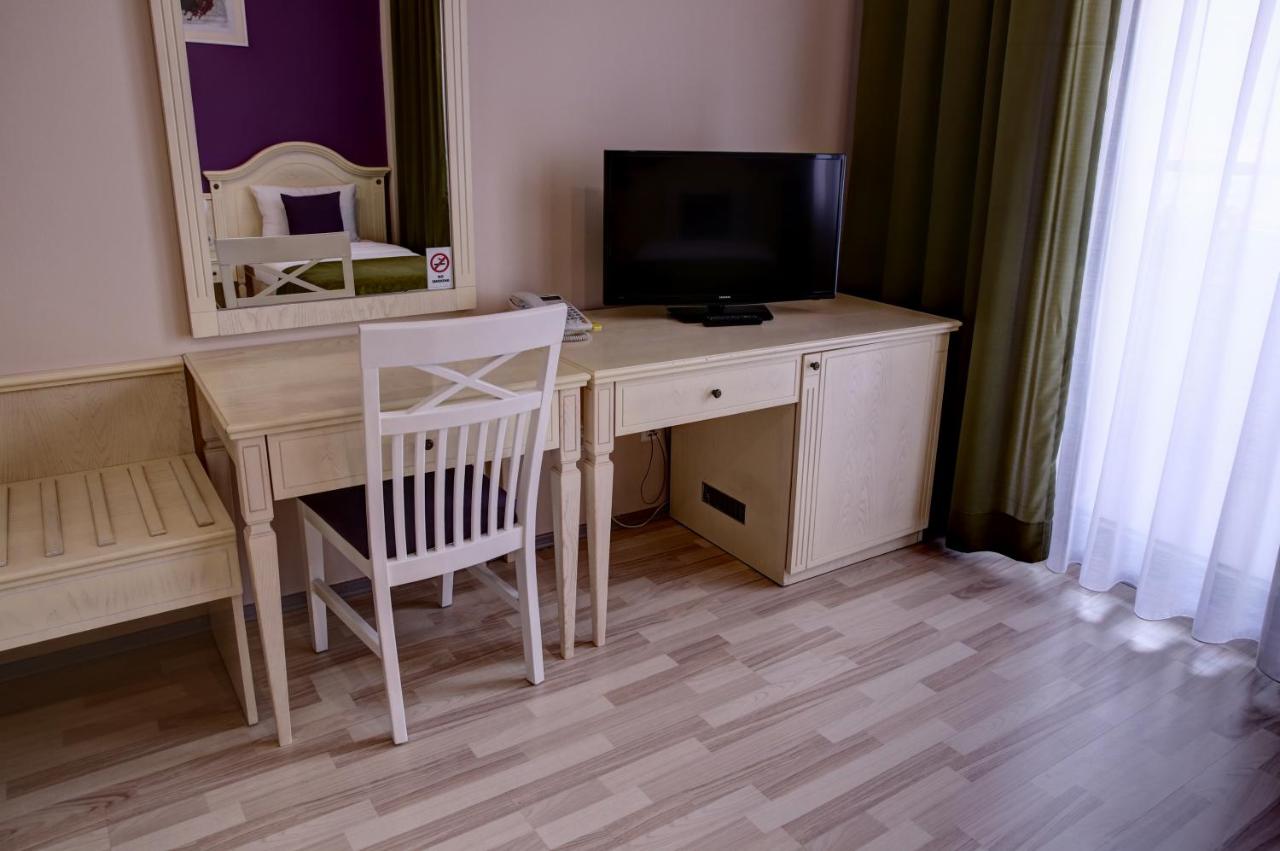
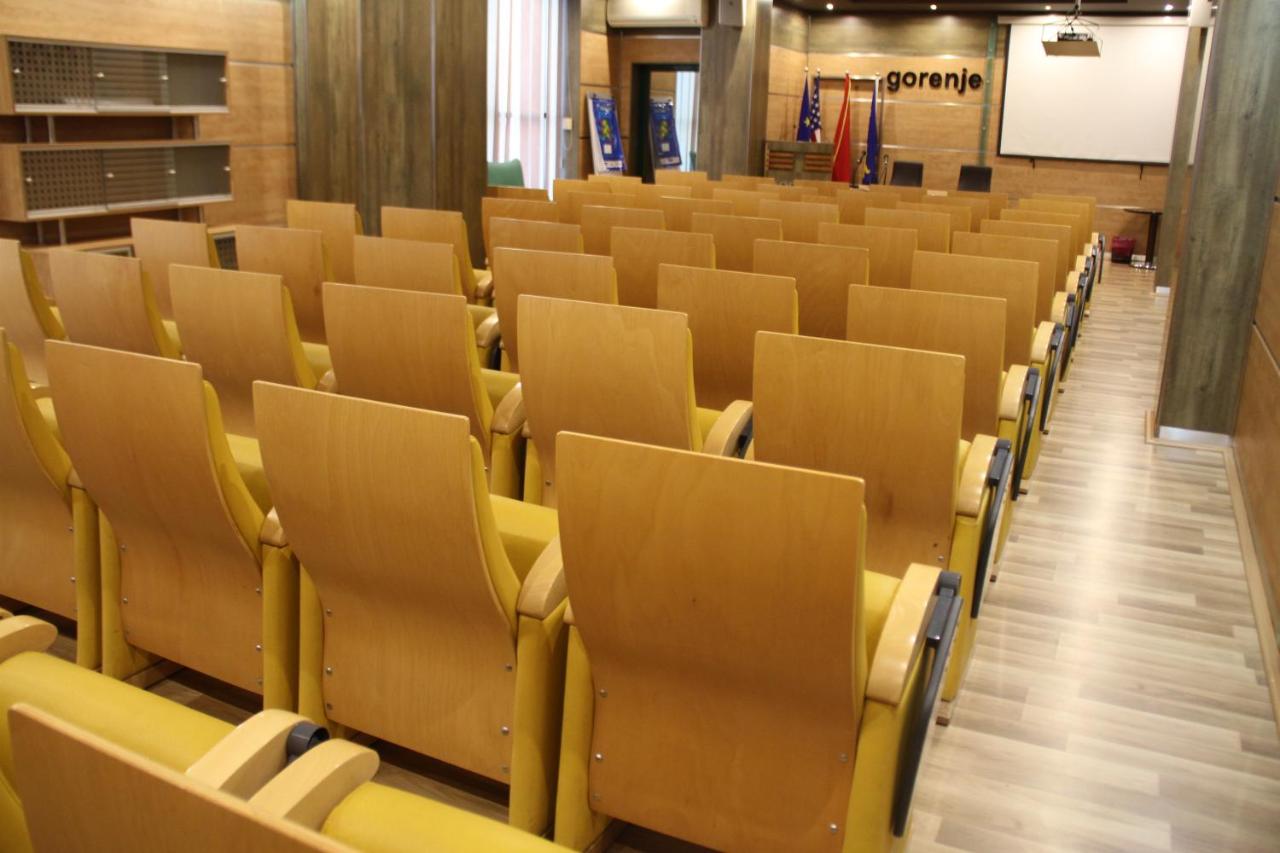
Located in Pristina, 4 km from Newborn Monument, Hotel Gorenje provides accommodation with a restaurant, free private parking, a bar and a garden. Among the facilities at this property are a 24-hour front desk and room service, along with free WiFi throughout the property. Guests can have a drink at the snack bar. At the hotel each room comes with air conditioning, a seating area, a flat-screen TV with satellite channels, a safety deposit box and a private bathroom with a shower, slippers and a hairdryer. At Hotel Gorenje each room is equipped with bed linen and towels. A continental breakfast is available daily at the accommodation. Hotel Gorenje offers a children's playground. Skanderbeg Statue Pristina is 5 km from the hotel, while Emin Gjiku Ethnographic Museum is 5 km away. The nearest airport is Pristina International Airport, 15 km from Hotel Gorenje.
Book a room
Booking.com
What to see in Pristina
The name of the city is a form derived from the eslavo *PRIšьčь, an possessive adjective of the personal name *PRIšьkъ, (preserved in the Kajkaviano surname of PRIšek, in the old Polish as a personal name Przyszek, and in the Polish surname Przyszek) the suffix derivative –in 'belonging to ... and its parentela'. Probably the name is a patronymic of the personal name *PRIšь, preserved as a surname in the Polish Przysz and the Sorbian PRIš, a hypocoristic of the personal name Slav ), meaning 'ulcer' or 'tumor', referring to its 'boiling'. However, this explanation cannot be correct, since the Slavic place names that end in —in correspond to an adjective and/or name From an inhabitant who lacks this suffix they are built of personal names or denote a person and never derive, in these conditions, common names (Snoj 2007: Loc. Cit.). The inhabitants of this city call themselves prishtinali, in the Albanian dialect Guegue or Prištevci (приштевци) in the local Serbian dialect.
During the Roman Empire, 15 km south of the modern pristina there was an extensive city called Ulpiana. The city was destroyed, but would be restored by Emperor Justinian I. At present, the remains of the Roman city of Ulpiana are visible in the lands that are located on the outskirts of the town of Gracanica.